

As organizations seek to improve focus, privacy, and collaboration in the workplace, acoustic booths have transitioned from niche amenity to essential infrastructure. In Greece, EKA Hellas’s leasing model helps organizations reap the benefits while also maintaining financial and operational agility.
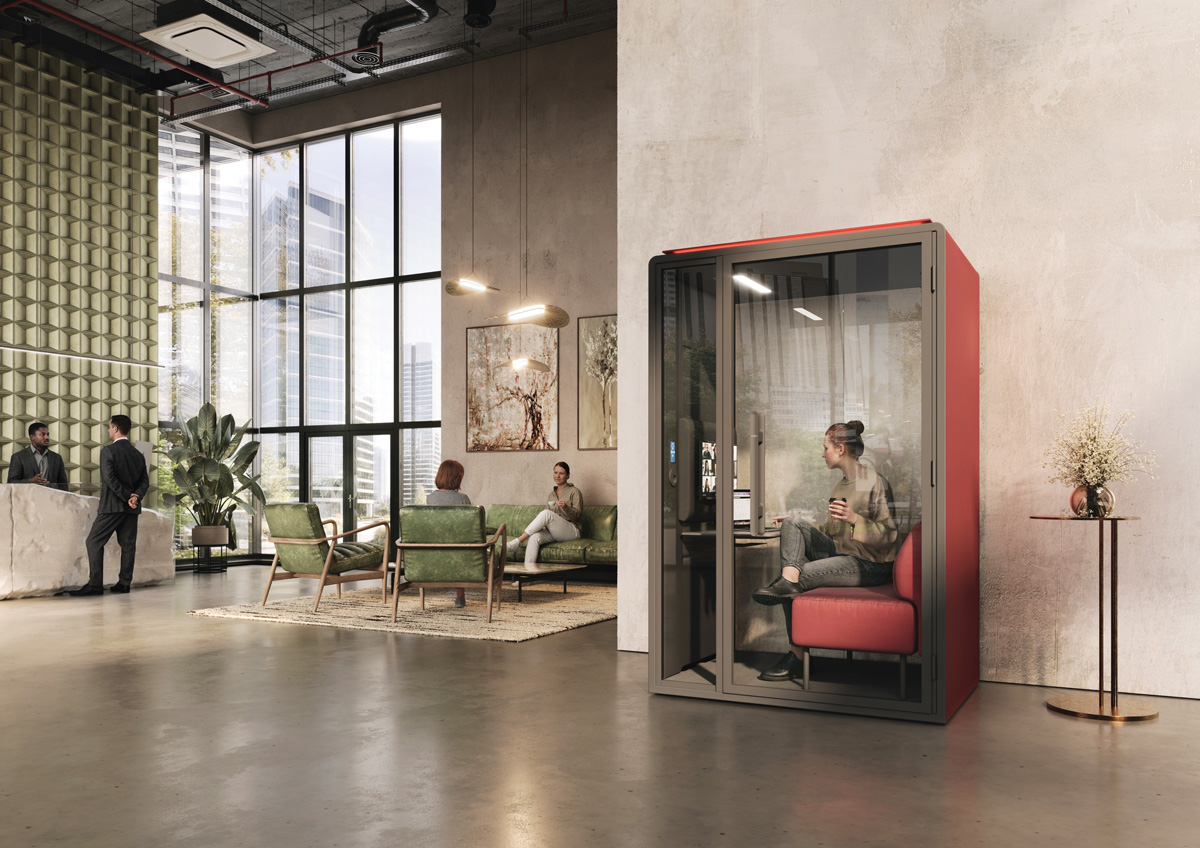
The office has always been a reflection of how organizations think. For decades, that thinking was expressed in permanence: fixed walls, long leases, capital assets built to last. Then came the open plan, the hybrid model, and a workforce that expects the environment to adapt to work, not the other way around.
The result is a new kind of pressure on decisionmakers: How do you build a workplace that is both high-performing today and flexible enough for what comes next?
From Amenity to Strategic Asset
Acoustic booths have emerged as one of the clearest answers to this question. For organizations managing hybrid teams and open-plan environments, they address something that shows up in productivity metrics, retention data, and real estate utilization reviews: the gap between the space you have and the work it needs to support. An environment that cannot support focused work, confidential conversation, or reliable virtual communication at the individual level is one that quietly undermines performance at the organizational level. What began as an amenity has become an operational and strategic asset.
Acoustic booths address the gap between the space you have and the work it needs to support
The Case for a Different Model
But the question of how organizations acquire and manage these solutions is evolving just as fast as the solutions themselves.
The traditional purchase-installation-depreciation model made sense when offices were static. It makes considerably less sense when headcount fluctuates, floor plans shift, and the needs of a team in Q1 may look nothing like the needs of the same team in Q3. Committing capital to a fixed asset in an inherently dynamic environment is a mismatch that finance directors and operations leaders are increasingly unwilling to accept.
This is why a leasing model for acoustic booths represents more than a financing convenience. It is a structural response to the way modern organizations actually operate. Costs are distributed over time rather than front-loaded, preserving liquidity for higher-priority investments. More importantly, the solution remains reconfigurable. Organizations can scale up, adjust, or evolve their setup as their operational reality changes, without being locked into decisions made at a single point in time.
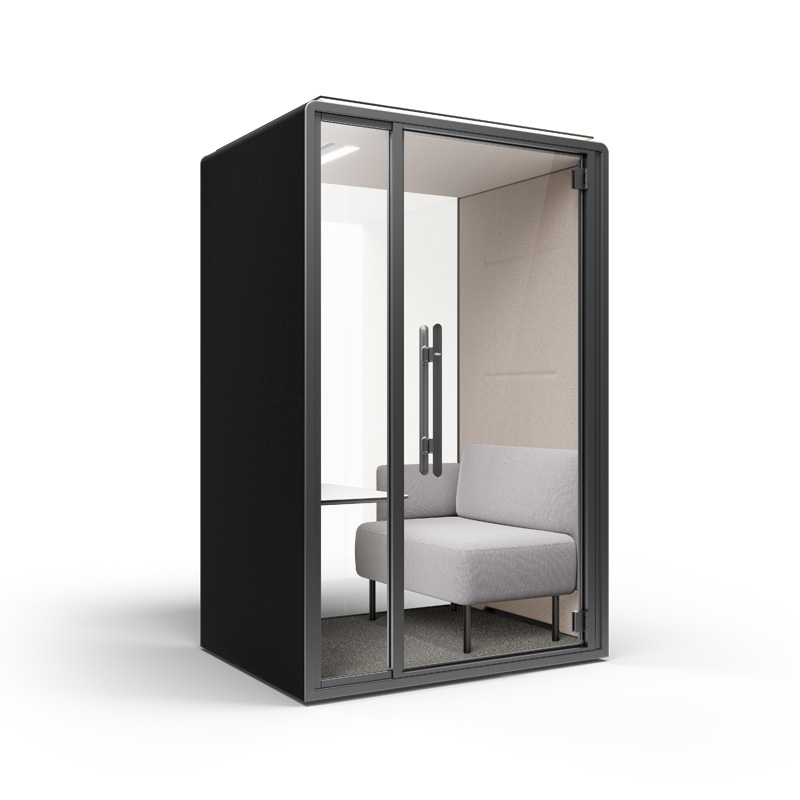
For C-suite executives, the implications extend beyond the balance sheet. A workplace that can be reconfigured without significant reinvestment signals organizational agility. It reduces the friction between strategy and execution and shifts facilities decisions from a capital conversation to an operational one. A distinction that matters when speed of response is a competitive advantage.
The workplace is no longer something organizations build once and inhabit—it’s something they manage continuously
A Market Shift, Arriving in Greece
In Greece, this approach is being pioneered by EKA Hellas, a workplace solutions provider operating at the intersection of design, technology, and organizational performance and currently the only company in the market offering acoustic booth solutions through a leasing model. The timing reflects a broader maturation of the market: Greek organizations, particularly those with international exposure, are aligning with practices that have already taken hold across Northern Europe and North America.
The workplace is no longer something organizations build once and inhabit. It is something they manage continuously. The tools available to support that shift are catching up, and the organizations that recognize this early will be the ones best positioned to use their environment as a strategic asset rather than a sunk cost.