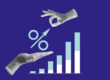


The relationship between health and prosperity has never been more evident. Around the world, healthcare is increasingly recognized not only as a social imperative but also as a strategic investment—one that influences economic performance, workforce productivity, business competitiveness, and societal resilience. The quality of a nation’s healthcare system is closely linked to its ability to innovate, attract investment, support sustainable growth, and improve quality of life.
At the same time, the healthcare sector itself is undergoing a profound transformation. Advances in life sciences, digital technologies, artificial intelligence, precision medicine, and data-driven healthcare are reshaping the way care is delivered, managed, and experienced. New opportunities are emerging alongside new challenges, requiring stronger collaboration among policymakers, healthcare providers, industry leaders, researchers, and innovators.
Against this backdrop, Business Partners presents “The Health Dividend: Investing in wellbeing, innovation, and resilience,” bringing together distinguished voices from across the healthcare ecosystem.
The perspectives featured in this Thought Leaders feature reflect the diversity, expertise, and forward-looking vision of companies that are helping shape the future of healthcare. While their viewpoints and priorities may differ, these companies share a common understanding that investing in health creates value far beyond the healthcare sector itself. It strengthens economies, supports innovation, enhances resilience, and contributes to more sustainable and inclusive growth.
As AmCham Greece prepares to host HealthWorld 2026 under the theme “Health Is Wealth,” Business Partners is pleased to provide a platform for leaders in healthcare to share ideas and practical insights on the opportunities that lie ahead.

Message from AmCham Greece President
By John D. Saracakis, President, AmCham Greece
Few sectors have a greater impact on the future of a nation than healthcare. Beyond its obvious social dimension, healthcare influences economic performance, workforce participation, investment attractiveness, innovation capacity, and overall quality of life. Countries that succeed in building modern, efficient, and forward-looking healthcare systems are ultimately better positioned to compete, grow, and prosper.
Greece enters this new era with significant advantages. A highly skilled scientific community, internationally recognized healthcare professionals, strong pharmaceutical and medtech industries, and an increasingly dynamic innovation ecosystem provide a solid foundation for future growth. The challenge—and the opportunity—lies in bringing these strengths together through collaboration, investment, and a shared longterm vision.
The companies represented in this Thought Leaders feature are helping drive that progress. Through research, innovation, entrepreneurship, and patient-centered solutions, they contribute not only to better health outcomes but also to a stronger and more resilient economy.
As the theme of HealthWorld 2026 reminds us, investing in health is ultimately an investment in our collective future—in people, innovation, and the longterm wellbeing and prosperity of our society.

Message from AmCham Greece Executive Director
By Elias Spirtounias, Executive Director, AmCham Greece
For more than two decades, HealthWorld has served as one of Greece’s leading forums for dialogue on healthcare policy, innovation, access, sustainability, and the future of care.
Its enduring value lies in its ability to bring together voices from across the healthcare ecosystem—government officials, industry leaders, healthcare professionals, patient representatives, and other sectoral experts—to exchange ideas, share experiences, and explore solutions to common challenges.
This year’s theme, “Health Is Wealth,” reflects the growing recognition that health is a shared responsibility and a strategic priority and that meaningful progress requires collaboration, trust, and a commitment to continuous improvement across the board. In this context, the articles featured in the following pages offer valuable insights into the opportunities, challenges, and priorities that will define the health sector in the years ahead.
On behalf of the American-Hellenic Chamber of Commerce, I would like to thank all speakers and contributors whose participation makes HealthWorld a meaningful platform for dialogue and progress.

Health is Wealth: A Strategic Opportunity for Greece and Europe
By Labrina Barmpetaki, Chair of the AmCham Greece Pharmaceutical Committee; First Vice President, AmCham Greece; Managing Director and BoD Chair, AbbVie Greece, Cyprus, and Malta
Healthcare is increasingly shaping the future of economies, societies, and nations.
Meaningful progress depends on our collective ability to connect policy with innovation, ambition with execution, and national priorities with a broader European vision.
Across Europe, governments are navigating a complex landscape defined by demographic change, rising healthcare needs, financial pressures, technological transformation, and growing expectations from the public. At the same time, healthcare has emerged as one of the most important drivers of innovation, productivity, investment, and longterm resilience.
This evolving landscape calls for a broader perspective. Health policy can no longer be viewed in isolation from economic policy, competitiveness, or sustainable growth. The countries that succeed in attracting investment, accelerating innovation, and building resilient healthcare systems will be better positioned to thrive in an increasingly demanding global environment.
For Greece, this discussion takes on particular significance as the country prepares to assume the Presidency of the Council of the European Union in the second half of 2027. The months ahead offer a valuable opportunity to contribute ideas, shape priorities and strengthen Greece’s voice on some of the most important healthcare challenges Europe is facing. The upcoming HealthWorld conference is a platform to elevate the conversation among all involved stakeholders around the future of health policy and explore how Greece can contribute meaningfully to the European healthcare agenda.
As Europe prepares for its next chapter of healthcare transformation, collaboration is essential. Meaningful progress will depend on our collective ability to connect policy with innovation, ambition with execution, and national priorities with a broader European vision.

From More Healthcare to Better Health
By Spyridon (Spyros) Gkikas-Panousis, Chair of the AmCham Greece Medical Devices and Diagnostics (MD&D) Committee; General Manager for Greece, Cyprus, and the Balkans, GE HealthCare
The healthcare sector has spent the past few years strengthening resilience.
The focus needs to shift to earlier diagnosis, faster clinical decisions, and more efficient care pathways.
The next priority is readiness: the ability to anticipate demand, use resources wisely, and improve outcomes before pressure reaches breaking point.
Demographic change and chronic disease are already reshaping healthcare needs. Expanding capacity will remain important, but it cannot be the only answer. Greece, like many countries, will need to focus more strongly on earlier diagnosis, faster clinical decisions, and more efficient care pathways. This requires a shift in how progress is measured. Activity alone does not define success. A healthcare system creates greater value when it detects disease earlier, helps clinicians act sooner, and reduces the need for more complex interventions later.
Technology can support this shift when it is connected to real clinical needs. Artificial intelligence, advanced imaging, and digital solutions should help clinicians work more effectively, reduce unnecessary delays, and improve patient experience. Their value lies in practical impact: better decisions, better workflows, and better use of limited resources.
Greece has already made important steps through digital health initiatives, infrastructure investments, and ongoing reforms. The next phase should bring these efforts together around a clearer objective: improving health outcomes while strengthening the healthcare system’s productivity and sustainability.
By 2035, the leading healthcare systems will be those that use innovation to deliver earlier, smarter, and more accessible care. That is the real meaning of readiness.

The Architecture of Prevention: Moving Greece from proactive healthcare policy to sustained health investment
By Siete Braak, Managing Director, Roche Diagnostics Hellas
Advanced diagnostics are the foundation of any resilient healthcare system.
We must commit to prevention as a compound, high-yield investment.
As the gatekeeper of proactive care, modern screening and diagnostic tools provide the vital insights needed to detect diseases early, personalize treatment, and intercept conditions before they escalate. Ultimately, timely diagnostics save lives, reduce longterm hospitalizations, and optimize public health spending.
Acknowledging this value, the Ministry of Health has made commendable strides in shifting Greece toward proactive care through the national prevention program “Prolamvano”. This vision gained crucial institutional weight with the Prime Minister’s recent commitment to extend the program, transforming preventative screening from a public health initiative into a longterm national policy.
Yet, a policy is only as strong as its fiscal foundation. To capitalize on this momentum, we must commit to prevention as a compound, high-yield investment. Securing dedicated and expanding funding streams is critical—not just to protect existing screenings but to scale them into high-burden, unaddressed therapeutic areas like neurology. In an aging society, intercepting neurodegenerative diseases early is no longer just a clinical goal; it is a macroeconomic imperative.
As a trusted partner to the Greek state, we are committed to bringing world-class innovation, digital solutions, and cutting-edge diagnostic infrastructure to the ecosystem. By combining sustained public funding with our advanced diagnostic expertise, we can successfully expand the boundaries of prevention, ensuring a healthier, more sustainable, and patient-centered future for Greece.

Innovation Done Right: Unlocking the health dividend for sustainable systems
By Lizzie Champion, BoD Chair and General Manager, GSK Greece
Healthcare systems, including Greece’s, are evolving amid demographic shifts, rising chronic disease, and expectations for timely access to innovation.
Innovation is not a cost; it is an investment in better health, stronger societies, and economic resilience.
These pressures are reshaping innovation’s role in building sustainable healthcare systems.
Innovation is not a cost. It is an investment in better health, stronger societies, and economic resilience. With the right conditions, it delivers value, strengthening productivity and contributing to longterm societal wellbeing.
Leveraging innovation requires a shift to value-based pricing and reimbursement. A modernized HTA framework, aligned with the evolving European HTA framework and reflecting the requirements of the Joint Clinical Assessment, to ensure timely access, transparency, and consistency.
However, access to innovation cannot be sustained through assessment alone. It depends on a funding environment that allows the system and industry to plan with confidence. In a system reliant on clawbacks and rebates, a capped clawback mechanism is essential to support planning, investment, and access to innovation.
A more predictable system also creates space to shift from managing pressure to preventing it. Prevention through vaccination plays a central role. It protects populations, reduces vaccine-preventable diseases and the associated burden, and alleviates pressure on healthcare systems, freeing resources that can be reinvested in improving access to innovative treatments and vaccines, while also delivering returns of up to 19 times the initial investment through avoided healthcare costs and wider economic impact such as improved productivity and economic resilience.
In this evolving landscape, GSK Greece, and I personally as General Manager of the company and as a member of the board of directors of the Pharma Innovation Forum, are committed to advancing innovation, supporting policies that enable sustainable and predictable funding, strengthening prevention through vaccination, and leveraging technology and AI, while partnering with all stakeholders to collectively shape a resilient healthcare system that delivers value for patients, society, and the economy.

Sailing to the Edge of a Flat World: When temporary crisis measures become permanent policy, Greece risks turning away innovation and compromising patient access
By Savas Charalampidis, General Manager for Greece, Cyprus, and EDM, Gilead Sciences
For centuries, we believed our world was round, rational, governed by logic and shared rules.
A sustainable system requires a map, a compass, and the courage to prioritize, fund, measure, and honor commitments.
In Greek pharmaceutical policy, that belief no longer holds. We have sailed to the edge. And the world, it turns out, is flat.
Mandatory paybacks were introduced as an emergency measure during the financial crisis. More than a decade later, they have not only survived—they have grown, expanded, and been extended further into the future. A temporary tool has become a permanent tax on innovation.
There is no logic in a system where companies discover what they owe only after they have already delivered. There is no reason in a model where the state underfunds healthcare and then demands that the industry absorb the gap. There is no commitment in promises to reduce clawbacks that are quietly postponed, re-engineered, or replaced with new burdens.
And yet, the course remains unchanged. The instruction is always the same: keep sailing. But there is nowhere left to go.
When paybacks consume most of the value, the conversation is no longer about efficiency, partnership, or reform. It is about whether innovation will continue to reach Greek patients at all. A sustainable system requires a map and a compass. It requires courage to prioritize, fund, measure, and honor commitments.
Today, we do none of these. We sail on—confidently, collectively—toward an edge we refuse to name. The fall will not be loud. It will be silent.

Advancing Greece’s Healthcare Future Through Innovation, Value, and Collaboration
By Babis Diamantopoulos, Country Coordinator and Finance Manager for Greece, Cyprus, and Malta, Boston Scientific
Healthcare in Greece is entering a decisive decade. Demographic shifts, rising chronic disease, and fiscal constraints must be faced through a meaningful solution such as the implementation of value-based, outcomes-driven care. This transition is not only necessary but also an opportunity to unlock a meaningful health dividend for patients, the economy, and society.
Medtech innovation can play a pivotal role in addressing system inefficiencies while improving access and equity
At Boston Scientific, we see innovation as the key enabler. Advances in minimally invasive therapies, combined with digital health and data-driven insights, are transforming how care is delivered, enabling earlier intervention, shorter hospital stays, and better patient outcomes. Our focus is not only on developing breakthrough medical technologies but also on supporting clinicians and health systems to optimize entire care pathways.
For Greece, medtech innovation can play a pivotal role in addressing system inefficiencies while improving access and equity. However, scaling these benefits requires strong public-private collaboration. By working closely with policymakers, providers, and industry, we can accelerate the adoption of high-value solutions and ensure that investment in healthcare is recognized as a driver of productivity and longterm economic growth.
Sustainability is also integral to this transformation. Efficient therapies that reduce complications and resource utilization contribute to both financial sustainability and environmental responsibility.
By combining innovation, collaboration, and a relentless focus on patient outcomes, we can help build a more resilient and future-ready healthcare system in Greece, one that delivers measurable value and lasting impact for patients and society.

The Next Frontier of Access Is Not Discovery — It Is Who Pays for It
By Spyros Filiotis, Vice President and General Manager, Pharmaserve Lilly
We have grown used to a comforting story: Science breaks through, a therapy reaches the patient, and lives improve. But that chain has a missing link we rarely name. Between the laboratory and the bedside stands a question that increasingly decides outcomes: not whether we can treat the patient, but who will finance the treatment.
The question that increasingly decides outcomes is not whether we can treat the patient, but who will finance the treatment
For decades, the public system carried that burden alone. It was designed for a different era of medicine—one of broad, low-cost interventions, not gene therapies, precision oncology, and treatments that cure rather than manage. As innovation accelerates, a system built for the old model strains under the new one. The result, too often, is the most painful inequity of all: a therapy that exists but cannot be reached.
Here, a new protagonist must take the stage. Private insurance and complementary payers are not threats to public healthcare; they are its necessary partners. Such a layered model—a public foundation paired with private supplements—spreads financial risk, shortens waiting times, and opens wide the door to innovation.
Consider the value for each side: For patients, it means faster, fairer access. For insurers, it means healthier members and lower longterm costs through prevention. For the state, it means a sustainable system that endures. One architecture delivering value for all—not one party’s gain at another’s expense.
We are entering an extraordinary decade of medical progress. Whether that progress reaches people will depend on what we can invent and on whether public and private resources can learn to carry the weight together.

Bringing Health Home: From returning talent to regional healthcare progress
By Evangelos P. Kalamakis, Managing Director, SofMedica
At SofMedica, our mission is to make life-saving innovation available to as many patients as possible. This mission starts with patients but also touches a critical dimension of healthcare progress: the environment in which medical professionals choose to build, return to, and continue their careers.
Highly skilled physicians and surgeons need more than opportunity. They need access to advanced technologies, continuous education, strong clinical ecosystems, and institutions that allow them to perform at the highest standards. When these conditions exist, returning home becomes more than an emotional decision. It becomes a professional possibility.
This is where SofMedica’s role becomes meaningful. By supporting healthcare professionals and institutions with innovative technologies, training, and longterm partnerships, we help create the conditions in which medical excellence can grow locally.
For countries across our region, this matters. Talent should not only leave smaller or developing markets to strengthen more advanced healthcare systems abroad. Talent should also be able to return, connect, and perform at home.
When medical talent is connected across borders, individual expertise becomes shared progress. Countries grow stronger, healthcare systems become more resilient, and patients benefit from the combined strength of a connected region.
Healthcare systems gain strength when progress is built together across borders, rather than developed in isolation. Across the countries where SofMedica is active, this means linking medical talent, clinical expertise, education, and innovation into a regional ecosystem where knowledge travels, professionals collaborate, and patients benefit.
At SofMedica Group level, this also means supporting a broader healthcare vision: personalized and preventive medicine through early diagnosis, imaging, and genetics; lifelong learning for healthcare professionals; and encouragement of healthtech and medtech startup initiatives.
This is the future SofMedica believes in: one where innovation finds its way home, knowledge becomes shared strength, and medical excellence can grow closer to the patients who need it most.

From Breakthroughs to Outcomes: Realizing the true value of healthcare innovation
By Yannis Kokkotos, Head of Immunology for SE Europe and Country Lead for Greece, UCB
Healthcare innovation has entered a new era. Breakthroughs in biotechnology, artificial intelligence, and data science are expanding the boundaries of what medicine can achieve for patients living with severe and chronic diseases. However, the real challenge is no longer scientific discovery itself—it is ensuring that innovation delivers measurable value for patients, healthcare systems, and society. The true health dividend emerges when scientific progress is translated into better outcomes, greater resilience, and sustainable longterm growth.
The real health dividend is realized when scientific progress becomes better outcomes for patients and measurable benefits for society
Across Europe, a growing gap is emerging between what science can deliver and what healthcare systems can absorb. While medical innovation continues to accelerate, healthcare budgets remain constrained, populations are aging, and demand for care is increasing. As a result, access to innovation is becoming one of the defining policy challenges of our time.
This is where the concept of the health dividend becomes particularly relevant. The value of healthcare should not be measured solely through expenditure or short-term budget impact. It should be assessed through the broader outcomes it generates: healthier populations, greater workforce participation, improved productivity, and more resilient societies.
New technologies, including artificial intelligence, can help healthcare systems operate more effectively, support earlier diagnosis, and improve decisionmaking. However, technology alone cannot solve structural challenges. Progress requires trust, collaboration, and a shared commitment among policymakers, healthcare professionals, and patient organizations.
For countries such as Greece, the opportunity is significant, but so is the challenge. While medical innovation continues to advance rapidly, ensuring timely and equitable access to new therapies remains a critical priority. Delays in patient access, budgetary constraints, and increasing healthcare demands can limit the benefits that scientific progress is capable of delivering. By creating a policy environment that supports innovation, accelerates access to breakthrough treatments, and promotes sustainable healthcare financing, Greece can improve health outcomes while strengthening its longterm economic and social resilience.
The future healthcare debate should therefore focus not only on how to generate innovation, but on how to capture its full value. The real health dividend is realized when scientific progress becomes better outcomes for patients and measurable benefits for society.

Accelerating Patient Access to Innovation in Greece
By Dena Nikolaidis, Country Head Patient Access and Health Policy, Novartis Hellas
Scientific progress is reshaping the future of healthcare. Across many disease areas, innovation is creating new possibilities for patients, clinicians, and health systems. Yet the true value of innovation is realized only when it reaches the people who need it, on time.
Closing the gap between approval and access is essential to building more sustainable, resilient, and patient-centered healthcare systems
Delayed access remains one of the most important challenges for healthcare systems across Europe, including in Greece. Despite important improvements in recent years, patients still face delays between European regulatory approval and the actual availability of new treatments. According to EFPIA’s Patient W.A.I.T. Indicator 2025 study, of the 168 innovative medicines approved by the European Medicines Agency between 2021 and 2024, only 69 are available to patients in Greece. The average time to availability reaches 641 days, compared with 597 days across Europe.
These figures raise an essential question: Are our health system, access pathways, and reimbursement processes designed to bring innovation to patients quickly enough?
Addressing this gap requires a modern, predictable, and collaborative framework. The concept of Access from Day 1 offers a practical direction. It does not mean lowering scientific or health technology assessment standards. Rigorous evaluation must remain central. Rather, it means enabling patients to access approved medicines while value assessment, reimbursement, and negotiations continue in parallel.
Achieving this requires collaboration across the healthcare ecosystem: policymakers, authorities, healthcare professionals, patient communities, and industry. It also requires predictable access pathways and a shared commitment to recognize innovation as a longterm investment in health outcomes and system sustainability, allowing reimbursement and value assessment to progress in parallel where appropriate.
At Novartis, we believe that closing the gap between approval and access is essential to building more sustainable, resilient, and patient-centered healthcare systems. Innovation matters most when it reaches patients from day one.

From Innovation to Value for Patients: Building resilient healthcare on collaboration, access, and scientific advancements
By George Orthopoulos, Commercial and Site Lead, Amgen Hellas
Healthcare today stands at the intersection of science, sustainability, and social progress. For Greece, the question is no longer whether innovation matters, but how we translate it into value for patients, the health system, and society through predictable, value-based frameworks that focus on outcomes and efficiency.
Scientific progress delivers its full value only when it reaches the patients who need it, on time and sustainably
A resilient healthcare system cannot be built through fragmented decisions or short-term measures alone. It requires a shared agenda between the state, healthcare professionals, patient representatives, and the pharmaceutical industry, focused on timely access, responsible investment, and agreements that recognize both the short-term budget impact of innovation and its long-term contribution to system efficiency.
At Amgen Hellas, we believe that scientific progress delivers its full value only when it reaches the patients who need it, at the right time and through sustainable pathways of care. This means supporting policies that improve prevention and early diagnosis, accelerate access to innovative therapies, and strengthen care pathways in high unmet need, while assessing innovation through its ability to improve outcomes and reduce avoidable burden.
Collaboration with the authorities is essential. As partners in the healthcare ecosystem, we can contribute evidence, international experience, and constructive policy proposals that help balance patient access with system sustainability. Innovation should not be perceived only as expenditure; when integrated within predictable value-based frameworks, it is an investment in productivity, resilience, longterm efficiency and societal wellbeing.
The health dividend will be realized when Greece turns dialogue into implementation, with patient-centered policies and partnerships that enable scientific advances to become real improvements in people’s lives.

Health Changes Everything: Unlocking the health dividend
By Daniel Paksy, Managing Director, Johnson & Johnson Innovative Medicine Greece Romania
At the heart of every thriving society lies a healthy population. As countries across Europe navigate demographic pressures, workforce challenges, and economic uncertainty, better health is increasingly becoming a strategic advantage. Healthy populations are more productive, healthcare systems more sustainable, and economies more resilient.
At the individual level, health empowers lives; at the societal and economic level, it is a catalyst for growth, resilience, and stability
To fully realize this health dividend, a more forward-looking approach is needed. Too often, healthcare decisions are assessed through the lens of short-term costs rather than the long-term value they generate. The choices we make today will shape not only the trajectory of healthcare but also the strength and prosperity of our societies. Recognizing health as an investment rather than an expense is essential to unlocking this broader value.
At Johnson & Johnson, we believe health is one of the most powerful catalysts for societal and economic progress. We champion policies and investment decisions that prioritize prevention, foster innovation, and expand access to care, recognizing the broader value health creates for patients, healthcare systems, societies, and economies. Innovation will continue to unlock new possibilities, from breakthrough medicines and emerging technologies to more personalized and data-driven approaches to care. Realizing its full potential, however, requires collaboration across the healthcare ecosystem, forward-looking policies, and a shared commitment to sustainable progress.
Because health changes everything. At the individual level, it empowers lives. At the societal and economic level, it is a catalyst for growth, resilience, and stability. Investing in health is ultimately investing in people, prosperity, and the future.