

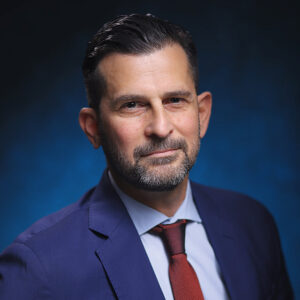
As Greece explores new ways to sustain the momentum of its booming tourism sector while ensuring its sustainability and addressing the growing pressures of overtourism, sports tourism is emerging as a key segment of the market. From extending the season and bringing opportunities to regional destinations to creating longterm economic and social value, sports-led travel holds transformative promise. In this Q&A for Business Partners, Ioannis Mostrios, founder and CEO of Oli Sports Tourism, shares his thoughts on sports tourism as a potential powerhouse in the Greek economy.
 How can sports tourism contribute toward a more balanced, year-round tourism model in Greece?
Sports tourism, by its very nature, is a holistic industry that effectively addresses many of the challenges Greece increasingly faces as a result of overtourism. By offering year-round activities and experiences, sports tourism can reduce dependence on summer travel, easing congestion and enabling a more balanced, resilient, and sustainable tourism landscape.
It also allows for the geographic diversification of tourism demand beyond Athens and popular island destinations such as Mykonos and Santorini. For instance, Greece’s mountainous regions offer untapped potential for winter sports, while lesser-known islands in the Aegean and Ionian seas present compelling opportunities for the development of authentic, premium travel experiences.
With its geographic diversity and favorable climate, Greece is uniquely positioned to support a year-round tourism model, but realizing this potential requires a deliberate shift toward the strategic development of a broader range of locations, sports, and target audiences.
What differentiates sports events that create lasting positive impacts and longterm value for destinations?
The creation of rich, legacy-driven experiences lies at the core of sports tourism and defines Oli’s strategic approach. Success is not determined solely by the sporting event itself, but by the intentional engagement of the target audience. The true measure of success lies in the supplementary activities and micro-economy generated by the audience itself. When sports tourism is executed effectively, its impact extends well beyond the event, activating broader engagement and sustained value creation.
Success can be assessed through a series of strategic questions: Did the event meaningfully engage participants’ wider networks (colleagues, friends, and peers) beyond the competition itself? Did it deliver an experience with lasting personal and/or professional impact that endured beyond the period of attendance? Was the experience sufficiently distinctive and memorable for all participants, so as to encourage repeat participation and advocacy? When these conditions are met, the initiative has achieved its objectives, delivering an experience-led event with measurable legacy impact.
What key steps must Greece take to position itself as a leading international sports tourism destination?
With coordinated policy, smart investment, and aligned partnerships, Greece can emerge as a global leader in sports tourism. To achieve this, the country must adopt a more deliberate and ambitious posture and make the necessary strategic choices.
Targeted infrastructure investment is critical, and forward-looking projects can unlock new destinations and support diversified, year-round sports tourism activity. At the same time, Greece must actively advance partnerships with multinational corporations and global nonprofits that share and reinforce the ethos of sports tourism. Equally important is the need to educate and advocate for the strategic value of tailored tourism across the Greek business ecosystem, academia, and cultural institutions. Building a shared understanding of its social and economic benefits is essential to sustaining longterm momentum.