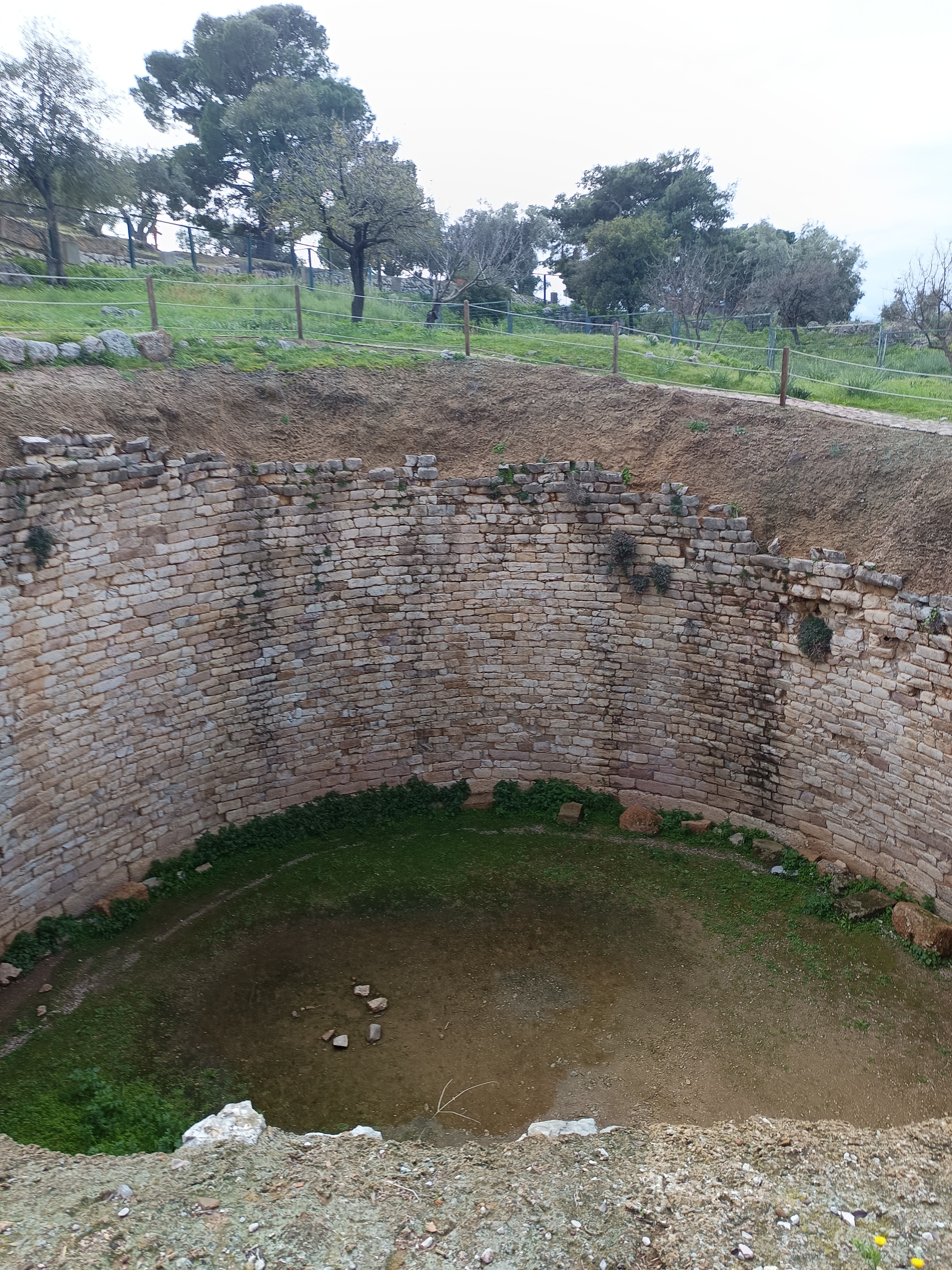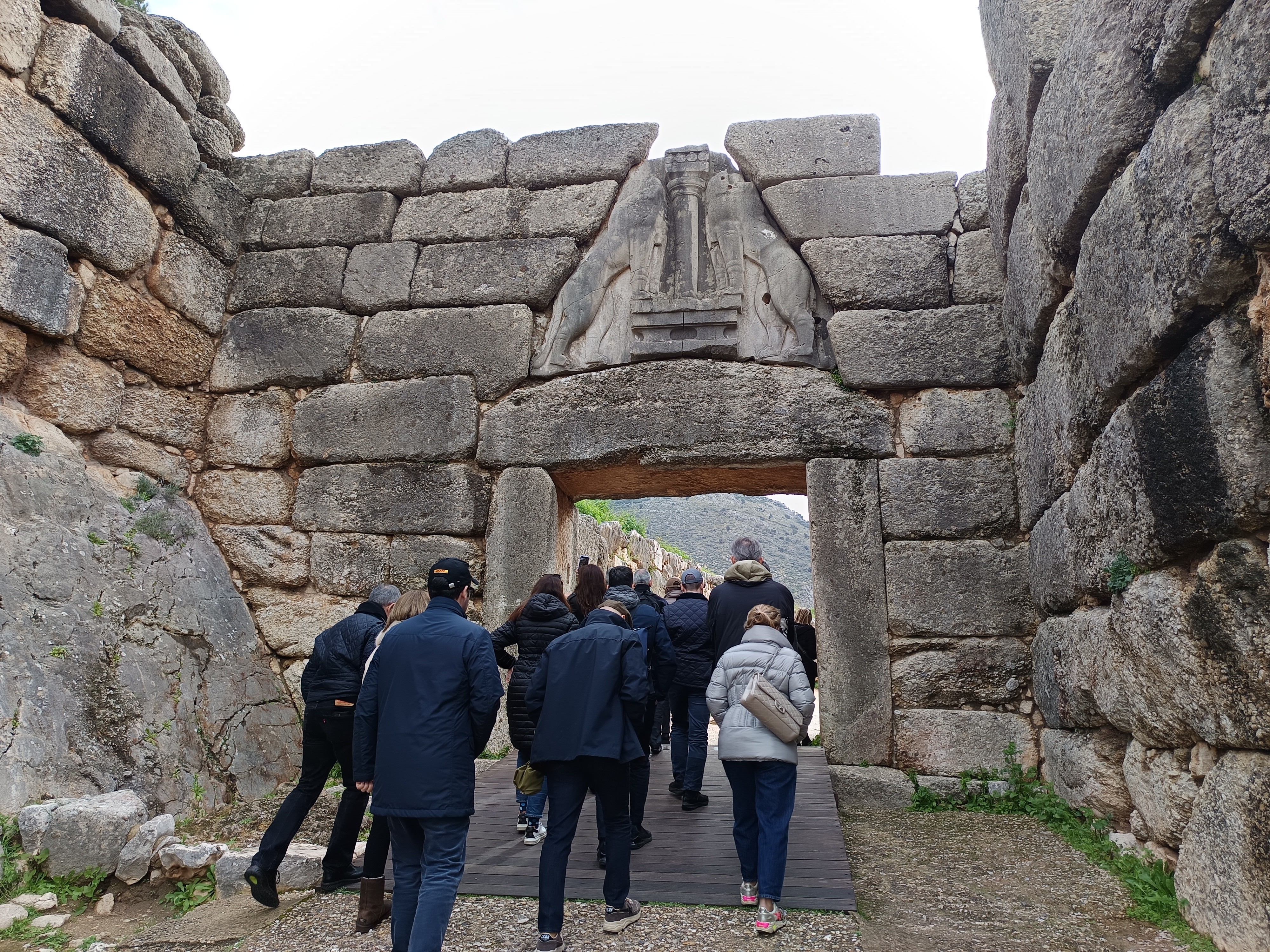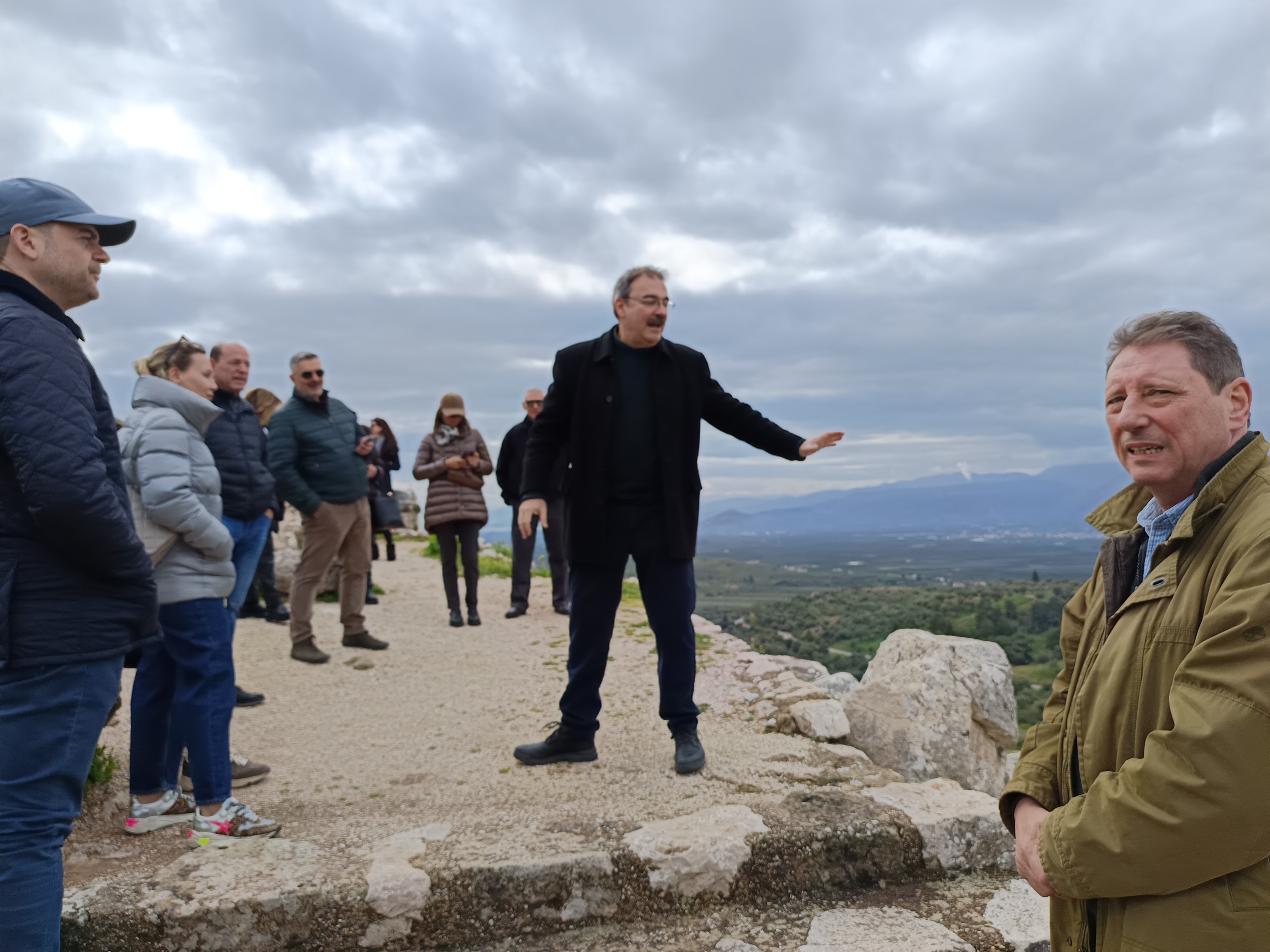

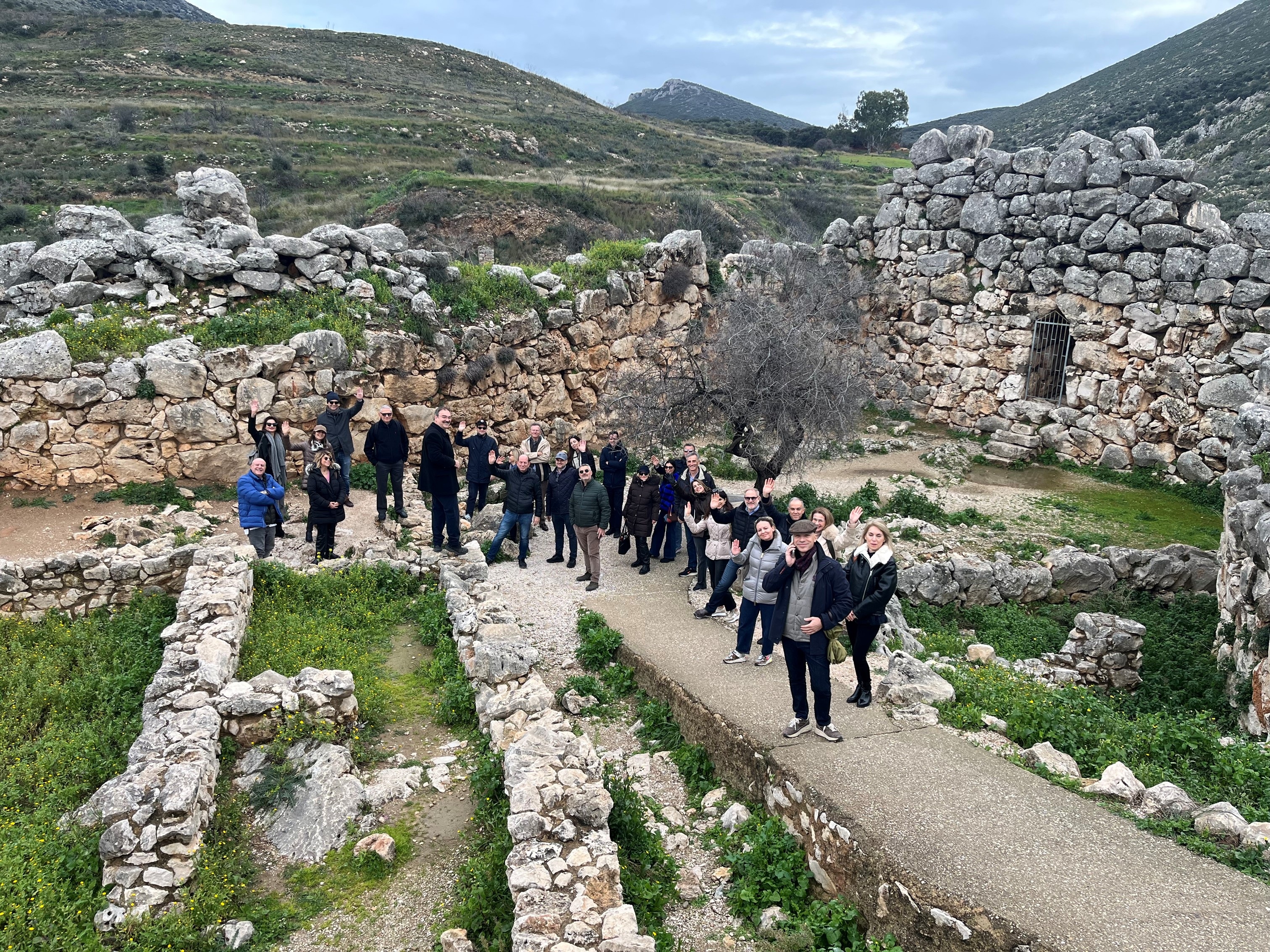
The AmCham Greece Leadership Committee had the privilege of organizing a private tour of the Archaeological Site of Mycenae on Friday, January 23, 2026. We extend our heartfelt gratitude to Yiannis Papadatos, Associate Professor of Prehistoric Archaeology at the Department of History and Archaeology, National and Kapodistrian University of Athens, for leading us through an insightful and exclusive tour of this iconic site. We would also like to express our appreciation to John Saracakis, President of the American-Hellenic Chamber of Commerce, as well as to the Leadership Committee members who joined us for this special occasion. It was an inspiring experience that deepened our understanding of Greece’s remarkable cultural heritage and history.
Mycenae – the city of the legendary Agamemnon
Homer and other writers of ancient Greek tragedy committed their names to memories which have passed into the collective unconscious of humanity. Agamemnon and Menelaus, Danaë and Perseus, Pelops and Atreus are the apparent forefathers of all of Europe, and the birthplace of all of these historical figures, is golden Mycenae. The earliest archaeological fragments indicate that the site of Mycenae was inhabited since the 7th millennium BC, from prehistoric times. In a dominant, naturally fortified position between the tranquil sloping hills of Profitis Ilias, and Sara, with a plentiful water supply, it was an ideal place for man to settle and live a protected life.
The apogee of the Mycenaeans, with their majestic architecture, inscribed monuments and sophisticated civilisation, occurred in the Late Bronze Age, between 1350 and 1200 BC. The first hegemonic factions appeared as early as 1700 BC, that is, in an historical period for which is difficult to determine exact details. But around this same period construction began on the first monumental tombs. After this, expansion developed at a dizzying speed. Palatial complexes, Cyclopean masonry which is awe-inspiring even today, the famous “Tomb of Agamemnon” (also known as the “Treasury of Atreus”), huge arches, fountains and ramparts comprise one of the greatest architectural complexes known to the ancient world.
The decline of Mycenae occurred around 1100 BC, possibly due to repeated damage from earthquakes and fires. They had managed, however, to have once been a truly great empire, which has indelibly stamped its reputation on the history not only of Greece, but the entire world. The archaeological site of Mycenae is 140km from Athens and 24km from Nafplio.
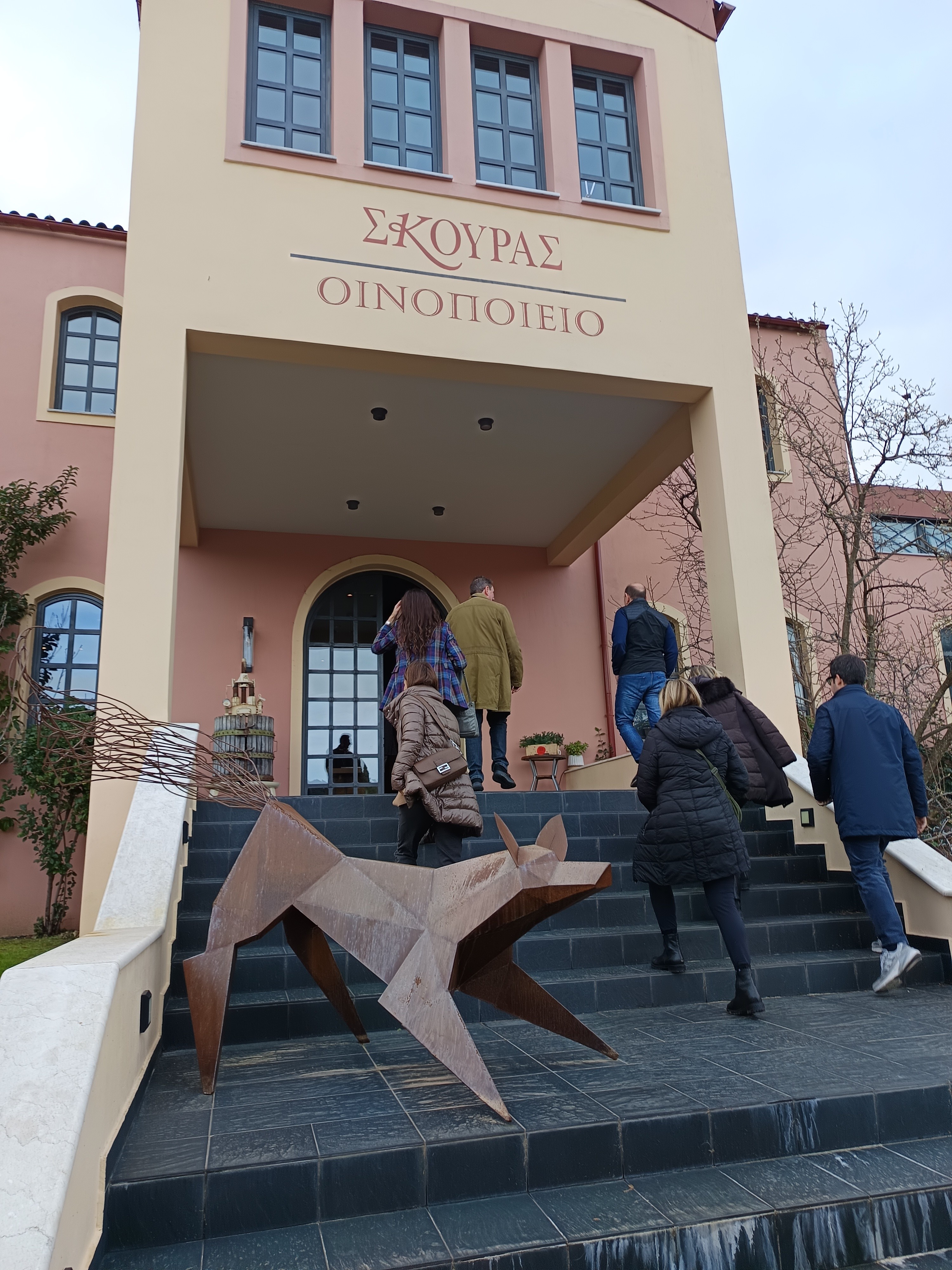
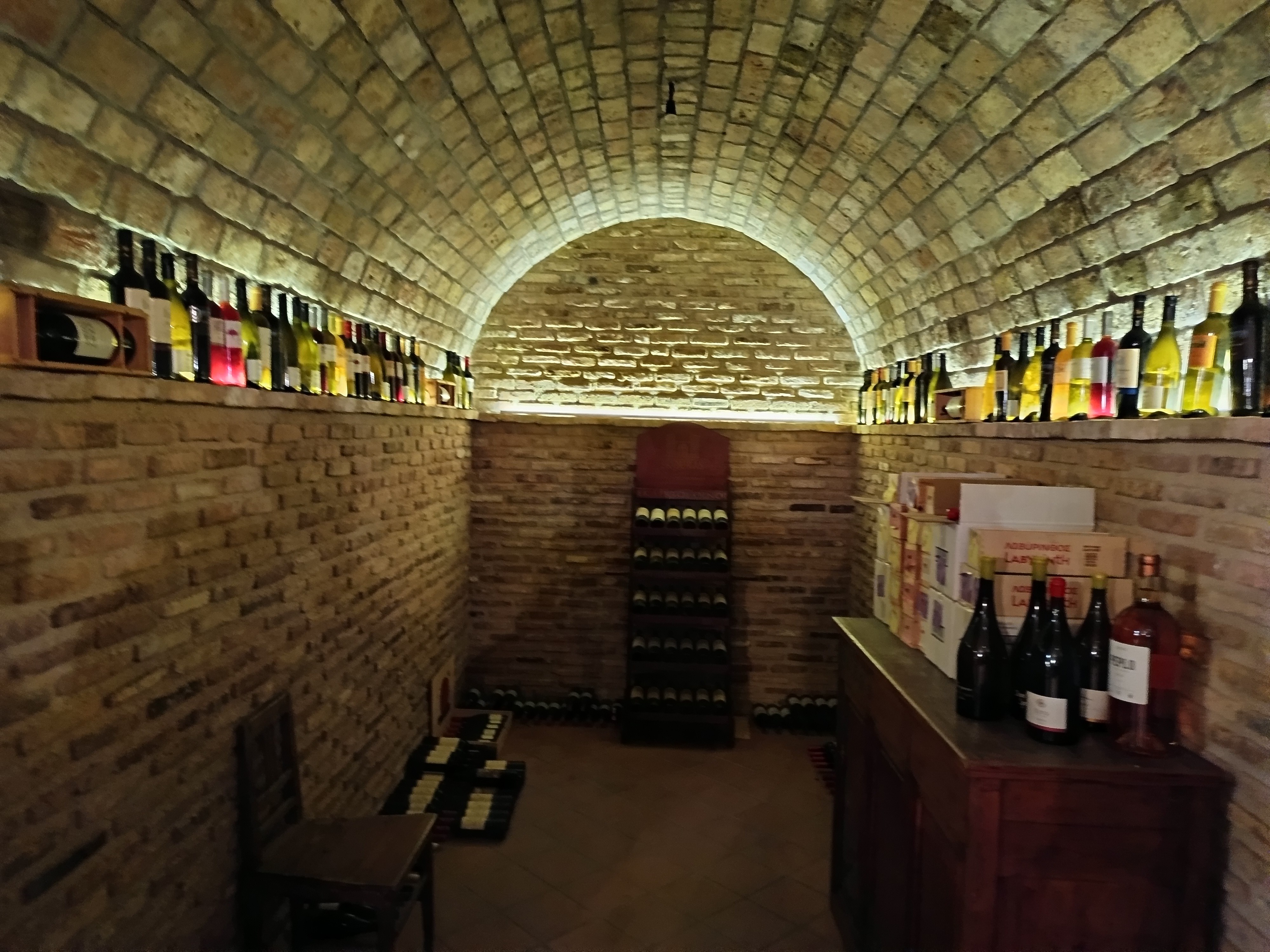
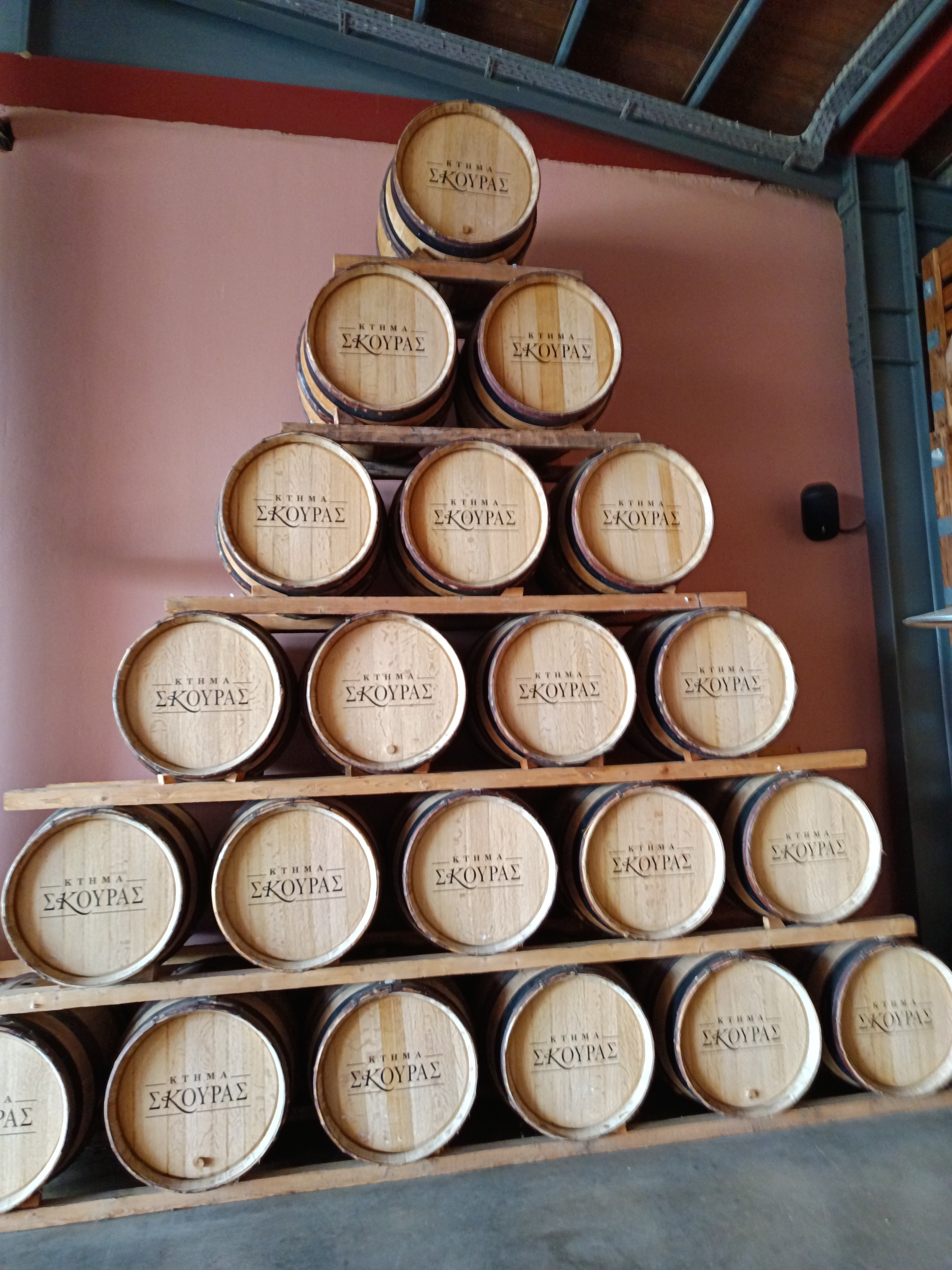
We also visited Skouras Winery located in the Northeastern Peloponnese, in Argolida, close to the provinces of Corinthia and Arcadia, just a few kilometres from Nafplion, in the village of Malandreni. Situated among vineyards, the winery is an ultra-modern winemaking facility, with an elegant Greek architecture, designed to ensure: • proper and thorough procedures of the highest standards in all aspects of wine production and bottling • a first class experience for visitors seeking education, entertainment, initiation to wine or hospitality.